
Construction ERP
The Role of ERP in Reducing Material Waste in Construction
Last updated:
November 23, 2025
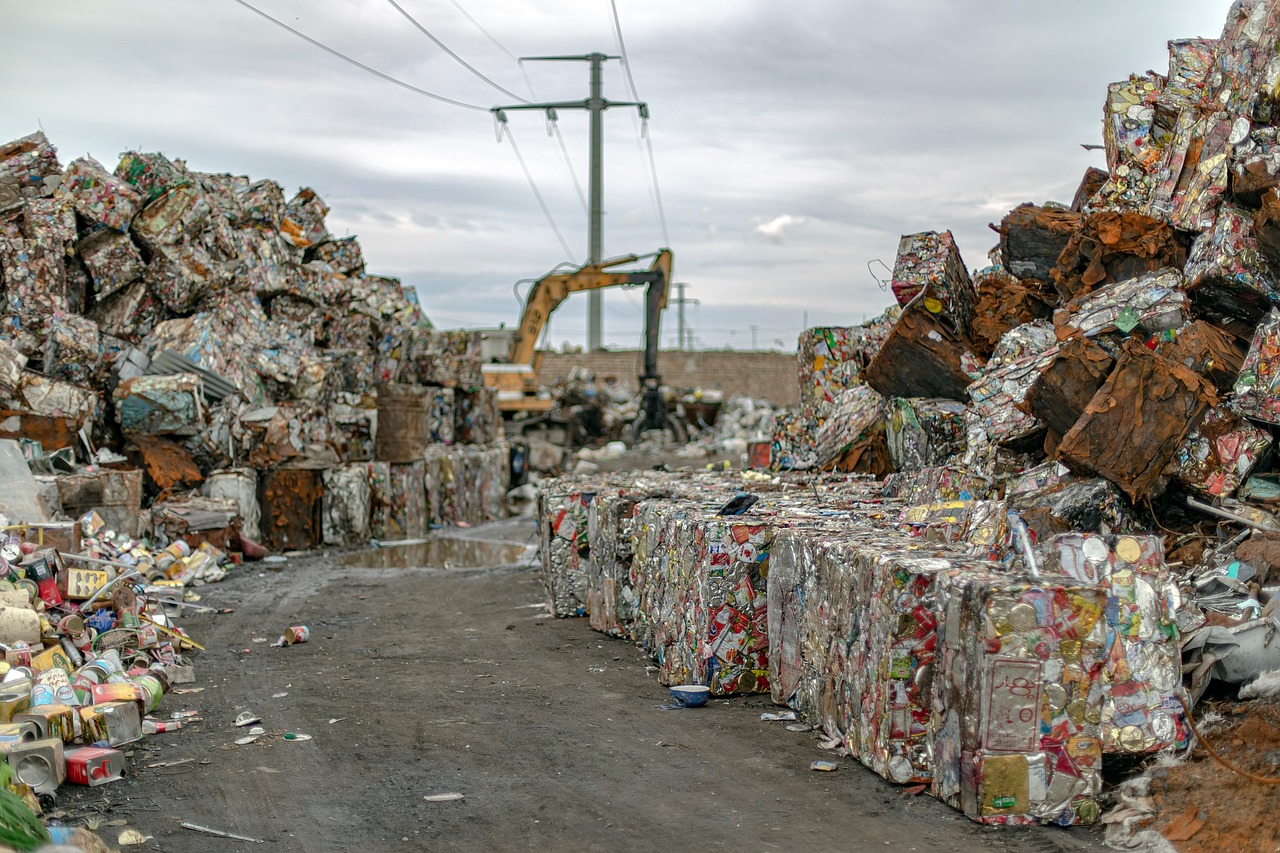
Introduction – Why Material Waste is a Major Issue in Construction
If there's one thing construction projects tend to generate a lot of — besides noise and dust — it’s waste. From unused materials to reworks due to miscommunication, material waste has long been one of the most persistent issues in the industry.
And it’s not just about tossing out leftovers. The impact goes much deeper.
The Environmental and Financial Impact of Construction Waste
Construction waste fills up landfills, increases carbon emissions, and adds significant costs to projects. In fact, material waste can account for 10–15% of total construction costs, depending on how well things are managed.
It also contributes to unnecessary transportation emissions and resource depletion — which, in today’s eco-conscious world, is a big red flag.
Common Causes of Material Waste on Job Sites
So where does it all go wrong?
- Poor planning
- Overordering
- Lack of real-time tracking
- Communication gaps
- Design changes mid-way
- Mismatched deliveries and timelines
It’s death by a thousand cuts — each one small on its own, but together, they bleed budgets dry.
How ERP Helps Prevent Waste at Every Stage
Now, here’s the good news: ERP systems are changing the game. When used right, an ERP solution can reduce material waste at almost every step of the project lifecycle.
Accurate Material Forecasting and Procurement
ERP platforms pull in past data, current project requirements, and supplier availability to generate precise forecasts. No more guesswork or “just in case” ordering. That means less excess and fewer leftovers.
Real-Time Inventory Tracking and Usage Monitoring
When site managers know exactly how much material is in stock — and how much is being used — they can prevent spoilage, theft, and redundancy. ERP keeps the data live and visible to everyone who needs it.
Avoiding Overordering and Stockpiling Materials
Stockpiling might feel safe, but it’s usually inefficient. ERP helps you order just what you need, when you need it, based on real-time consumption rates and project progress. It’s leaner, smarter, and far less wasteful.
Smart Planning with ERP Systems
An ERP doesn’t just track — it helps you plan better, too.
Leveraging Historical Data for Better Estimations
If you’ve built 10 apartment complexes before, your ERP knows exactly how much steel, cement, or brick you typically use. That historical knowledge is gold for new estimates — accurate and grounded in reality.
Optimizing Material Deliveries According to Project Schedules
ERP systems link project timelines with procurement, so deliveries arrive just-in-time — not too early (where it clutters the site) and not too late (where it delays work).
Linking Procurement with Project Milestones
When procurement is directly tied to key milestones, materials arrive in sync with actual site progress. No more piles of unused inventory sitting in the rain.
Integration with Other Digital Tools
Modern ERP systems don’t work alone — they team up with other tech to make things even smoother.
ERP + BIM for Precise Material Planning
By integrating with Building Information Modeling (BIM) tools, ERP can take digital models and translate them into exact material needs. Every brick, every beam, every tile — all accounted for in advance.
IoT Sensors Feeding Data into ERP for On-Site Accuracy
Smart sensors on equipment and materials can feed real-time usage data into the ERP, giving you updates on consumption, wastage, and even machine performance — all from your dashboard.
Connecting ERP with Supplier Portals for Leaner Logistics
Tight integration with suppliers means materials can be ordered, tracked, and received with fewer delays. Fewer rushed orders, less overbuying, and way less stress.
Reducing Rework and Project Delays Through ERP
One of the biggest causes of material waste is rework. Redoing a part of a project due to a miscommunication or design mismatch isn’t just frustrating — it’s expensive.
Ensuring Version Control and Design Accuracy
With ERP, there’s no confusion over “which plan we’re following.” Everyone works from the same set of drawings, the same timeline, and the same goals.
Departments and Contractors
Whether it’s the architect, the procurement team, or the on-site contractor — ERP keeps everyone aligned. No more “I didn’t get the memo” mistakes.
Streamlining Change Order Management
Changes will happen — it’s part of the job. ERP helps log them instantly, update procurement needs, and notify everyone affected, reducing costly missteps.
Case Studies & Success Metrics
So, does ERP actually reduce waste? Let's take a look.
Examples of Waste Reduction Using ERP
A mid-sized construction firm in Bangalore reported a 22% drop in material waste after switching to an ERP system. Another in Dubai optimized deliveries and cut on-site storage needs by half, simply by syncing ERP with BIM.
Quantifying Cost Savings and Environmental Benefits
Less waste means:
- Lower transportation costs
- Smaller carbon footprint
- Better margins on every project
It’s not just about doing good for the planet — it’s good business too.
Conclusion – Building Smarter with ERP
Making Waste Reduction a Strategic Priority
Waste reduction isn’t just a nice-to-have anymore — it’s a competitive edge. ERP systems help you build smarter, with less material, less clutter, and far better planning.
Future Outlook for Sustainable Construction Practices with ERP
As more construction firms digitize operations and embrace ERP, material efficiency will become the norm. Add AI and IoT into the mix, and you’ll see smarter decisions being made before waste even has a chance to occur.
If you’re in construction and still juggling spreadsheets, you’re not just wasting time — you’re probably wasting materials too.
It might be time to upgrade.
FAQ’S
What makes material waste such a big problem in construction?
Waste drives up project costs, strains budgets, fills landfills, and increases carbon emissions. Poor planning, overordering, miscommunication, and rework all contribute to unnecessary material loss.
How does an ERP system help reduce material waste?
ERP improves accuracy by forecasting material needs, tracking real-time usage, syncing deliveries with schedules, and preventing overordering. It creates a leaner, more controlled workflow.
Can ERP really prevent overordering and stockpiling?
Yes. With live inventory data and project-linked procurement, ERP ensures materials are ordered only when needed, cutting excess stock and reducing spoilage or theft.
How do digital tools like BIM and IoT enhance ERP waste reduction?
BIM integrates exact material quantities, while IoT sensors feed real-time usage data directly into the ERP. Together, they create precise, data-driven material planning with minimal error.
Does ERP help reduce rework and design-related waste?
Absolutely. ERP provides version control, unified documentation, and instant change-order updates, ensuring all teams follow the same plans—reducing costly rework and material loss.


